
Blog
Introduction to Laser Automation in Manufacturing
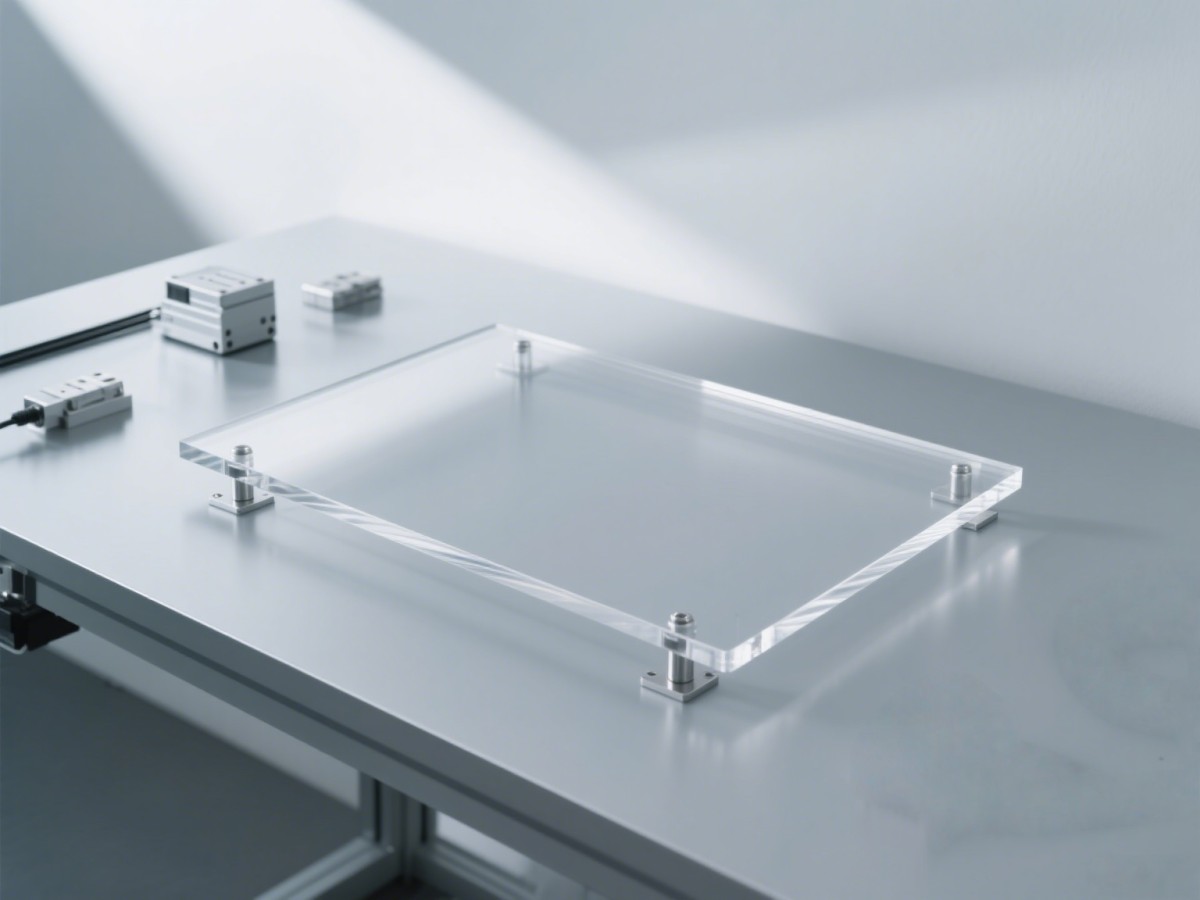
In today’s fast-paced industrial environment, laser automation stands out as a transformative technology in precision manufacturing. This cutting-edge process not only streamlines production workflows but also significantly improves the quality and precision of manufactured products.
Defining Laser Automation

Laser automation refers to the use of laser technology to automate manufacturing processes such as cutting, engraving, and marking. Intelligent laser systems utilize advanced algorithms and software to optimize these tasks, resulting in higher precision and reduced lead times.
Benefits of Laser Automation in Industrial Production
Increased Precision: Laser cutting machines offer unparalleled precision compared to traditional methods, ensuring that products meet strict tolerances.
Enhanced Efficiency: Automation reduces human error and speeds up production cycles, enabling manufacturers to meet higher demands.
Cost-Effectiveness: Although the initial investment may be significant, the long-term savings on materials and labor can make laser automation more economical.
- Versatility: Smart laser systems can handle a wide variety of materials, from metals to plastics, making them suitable for diverse industrial applications.
How Intelligent Laser Equipment Improves Manufacturing Efficiency
Integrating intelligent laser equipment allows manufacturers to automate repetitive tasks, optimize material usage, and implement just-in-time production strategies. These systems can analyze production data in real-time, adjusting parameters for optimal performance.

Applications of Smart Laser Systems in Modern Factories
Smart laser systems find various applications across different industries:
Upgrading Traditional Manufacturing with Laser Technology
By incorporating laser technology, traditional manufacturing processes can undergo significant upgrades. For instance, adding CNC (Computer Numerical Control) capabilities enables manufacturers to enhance production accuracy while reducing waste.
Cost Impact Factors in Laser Automation
While the adoption of laser automation incurs initial costs, several factors influence the overall financial impact:
- Material Savings: Laser cutting generates less waste compared to mechanical methods.
- Labor Costs: Reduced need for skilled labor can lead to lower operational costs.
- Energy Efficiency: Modern laser systems consume less energy, further reducing operational expenses.
Future Trends in Laser Automation
As laser technology continues to evolve, we can expect advancements in artificial intelligence integrations, which will enhance predictive maintenance and further streamline operations. Moreover, sustainability will play a crucial role, with more manufacturers seeking eco-friendly laser solutions.
Conclusion
In conclusion, laser automation is more than just a trend; it's a crucial advancement for precision manufacturing that offers numerous benefits, including increased efficiency and precision. For businesses eager to stay competitive, embracing laser technology provides a pathway to achieving higher production standards.
Why Choose Us
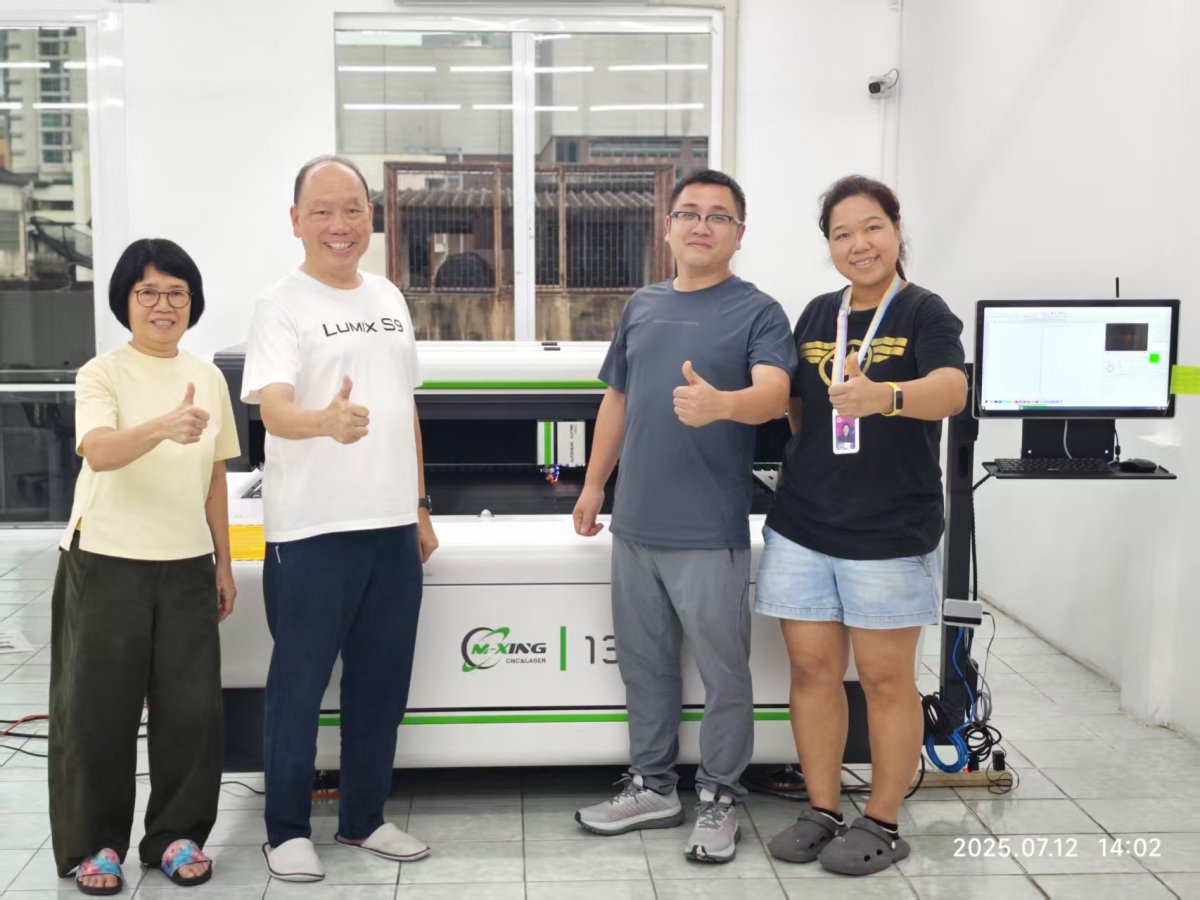
As a leading manufacturer and supplier of CO2 laser machines, we offer comprehensive solutions tailored to your manufacturing needs. Our products ensure high precision and reliability, making us your ideal partner in embracing laser automation. Contact us today to learn more about our laser manufacturing solutions.