
Blog
Laser Cutting Machine Market Trends in 2025: Opportunities and Challenges
The laser cutting machine market is evolving rapidly, driven by advancements in metal laser cutting technology and the growing demand for precision manufacturing. By 2025, the industry is expected to witness significant shifts, particularly in the adoption of CO2 laser cutting machines and fiber laser systems. This article explores key trends, opportunities, and challenges shaping the future of industrial laser cutting applications.
Key Trends in the Laser Cutting Machine Market
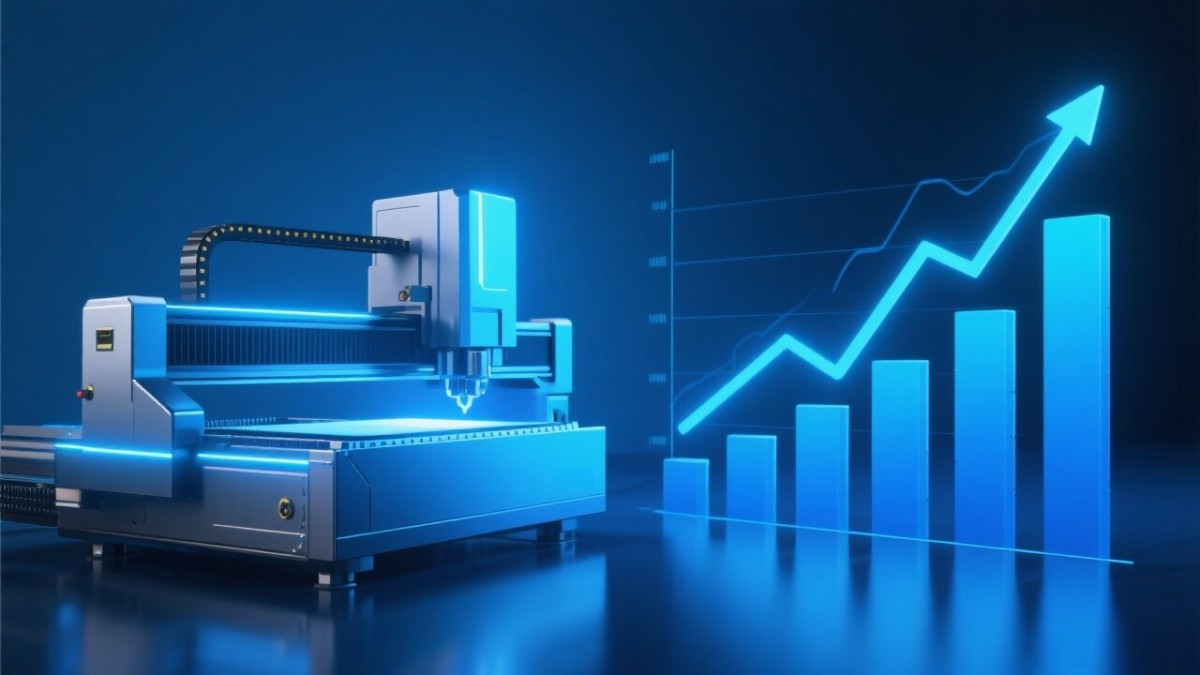
As we approach 2025, several trends are reshaping the laser cutting machine market:
- High power laser cutting systems are gaining traction for heavy-duty industrial applications.
- The shift toward intelligent laser cutting systems with AI-driven automation.
- Growing emphasis on environmentally friendly laser cutting technology to reduce energy consumption.
- Increasing competition between fiber laser vs CO2 laser technologies across different material types.
Opportunities for CO2 Laser Cutting Machines
Despite the rise of fiber lasers, CO2 laser cutting machines continue to offer unique advantages:
1. Superior Performance on Non-Metallic Materials
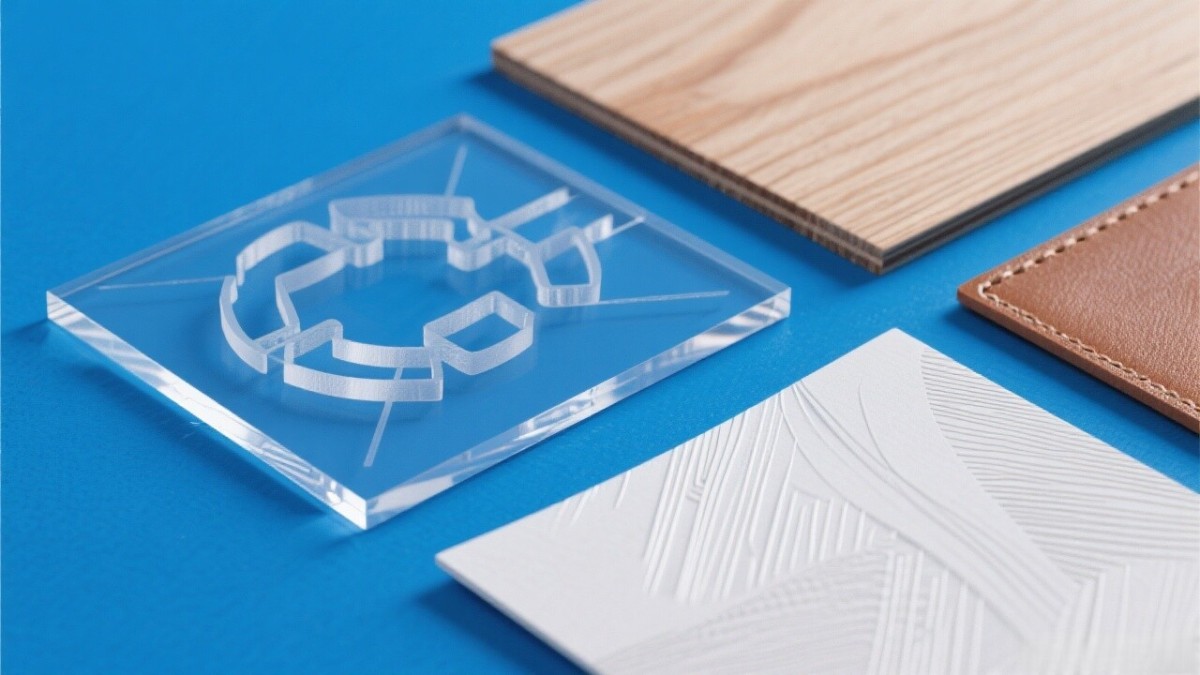
CO2 laser cutting machines still maintain significant advantages in processing non-metallic materials such as wood, acrylic and textiles, making them an ideal choice for a variety of industrial laser cutting applications.
Key advantages
·Wide material compatibility
CO2 lasers are particularly suitable for cutting and engraving organic materials such as wood, acrylic (plexiglass), leather, cloth, rubber, MDF (medium density fiberboard), etc., with smooth cutting edges and no secondary processing.
·High precision and high quality cutting
Compared with fiber lasers, the wavelength of CO2 lasers (10.6 microns) is more easily absorbed by non-metallic materials, so it can achieve more delicate cutting effects, especially suitable for complex patterns, hollow designs and precision parts processing.
·Economical and efficient
For medium and thick non-metallic plates (such as 10-20mm acrylic or wood), the operating cost of CO2 lasers is generally lower than that of fiber lasers, and the equipment procurement and maintenance costs are also more competitive.
Widely used in the industry
Advertising signs: acrylic letters, light box cutting
Furniture manufacturing: wood, plywood engraving
Textile industry: fabric cutting, leather proofing
Packaging industry: cardboard, foam mold cutting
2. Cost-Effectiveness for Specific Applications
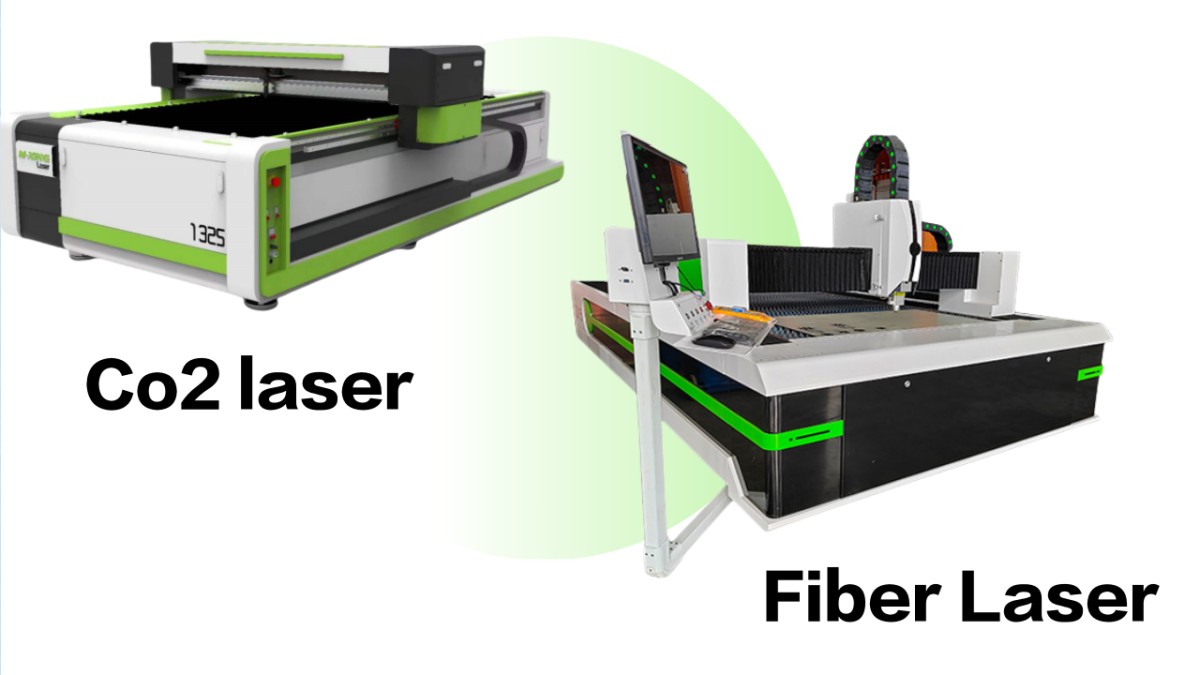
While fiber lasers dominate in metal cutting, CO2 lasers remain more cost-effective for certain materials and thicknesses, offering better operational economics in specific scenarios:
1. Non-Metal Cutting (Wood, Acrylic, MDF, Textiles)
·CO2 lasers excel in cutting/engraving organic materials with smooth edges, reducing post-processing costs.
·Fiber lasers struggle with non-metals, often requiring higher power and causing material burn or melting.
2. Thick Non-Metal Sheets (10-25mm Acrylic, Wood)
·CO2 lasers achieve clean cuts at lower operational costs compared to fiber lasers, which may need multiple passes or higher wattage.
3. Mixed-Material Workshops
·For businesses processing both metals and non-metals, a CO2 system can be a more economical standalone solution than investing in separate fiber lasers.
Challenges Facing the Industry

The laser cutting trend in 2025 also presents several challenges:
1. Energy Efficiency Demands
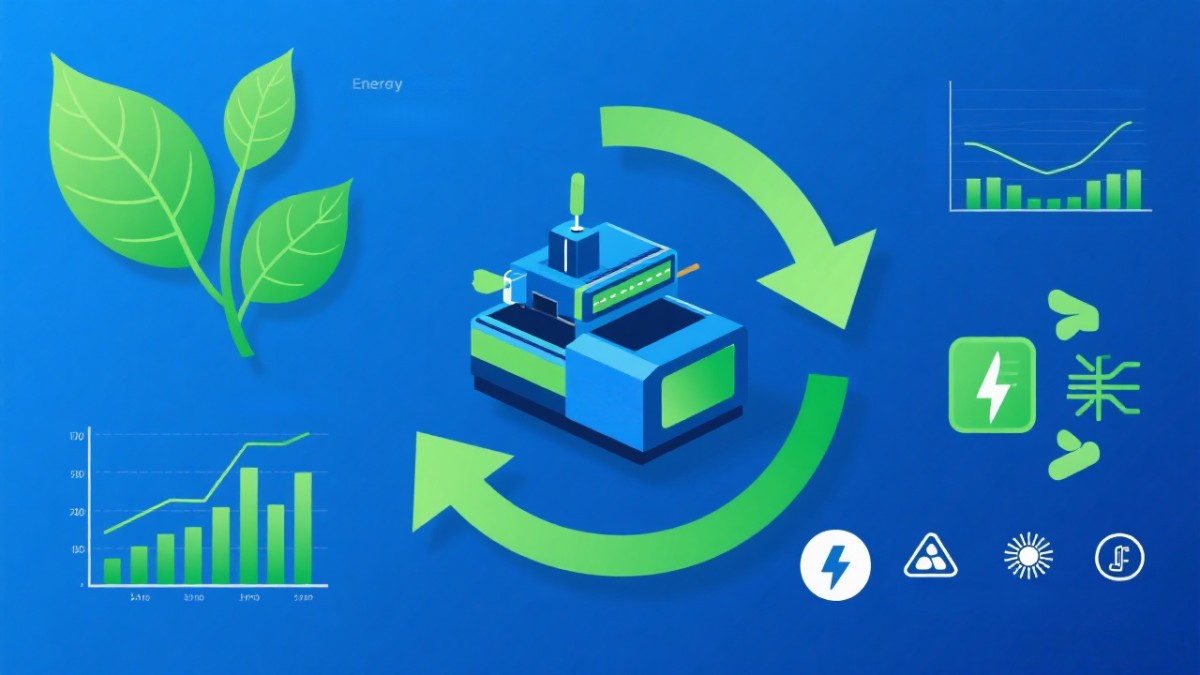
Energy Efficiency Demands in Laser Cutting Technology
With growing emphasis on sustainability, the laser cutting industry faces increasing pressure to reduce energy consumption and minimize environmental impact. CO2 and fiber laser systems are evolving to meet stricter regulatory standards while maintaining performance.
·Key Challenges & Solutions
High Power Consumption: Traditional CO2 lasers rely on gas excitation, requiring significant electricity. Modern systems now integrate energy-saving modes and smart power management to optimize usage during idle periods.
Heat Waste: Up to 60% of energy in laser cutting is lost as heat. Advanced cooling systems (e.g., air-cooled RF lasers) and heat recovery technologies help repurpose waste energy.
Eco-Friendly Alternatives: Some manufacturers are adopting fiber lasers with higher wall-plug efficiency (30-50% vs. CO2’s 10-15%), reducing overall carbon footprint for compatible materials.
·Regulatory & Industry Trends
EU Ecodesign Regulations now enforce efficiency benchmarks for industrial lasers.
Green Certifications (e.g., ISO 14001) are becoming critical for manufacturers to remain competitive.
Hybrid Systems (combining CO2 and fiber) are emerging to balance precision and energy savings for diverse material processing.
·Future Outlook: Next-gen lasers will likely integrate AI-driven power optimization and renewable energy compatibility to further align with global net-zero goals.
2. Technological Convergence

The laser cutting industry is undergoing a transformative shift as IoT connectivity, AI-driven automation, and advanced data analytics converge to create next-generation intelligent cutting systems. This technological integration is redefining precision, efficiency, and predictive maintenance in industrial manufacturing.
·Key Innovations Driving Change
Smart IoT Integration: Modern laser cutters now embed real-time monitoring sensors that track performance metrics (power usage, beam quality, nozzle wear) and transmit data to centralized dashboards for remote diagnostics.
AI-Powered Process Optimization: Machine learning algorithms analyze historical cutting data to automatically adjust parameters (speed, power, focal length) for different materials, minimizing trial runs and scrap rates.
Predictive Maintenance Systems: By combining vibration analysis and thermal imaging with AI pattern recognition, equipment can anticipate component failures (e.g., resonator degradation) before they cause downtime.
·Implementation Challenges
R&D Investment Barriers: Developing AI-optimized laser systems requires cross-disciplinary collaboration between optical engineers, data scientists, and automation specialists.
Workforce Transition: Operators now need digital twin simulation training and data literacy skills to manage these hybrid systems, necessitating industry-academia partnerships for upskilling.
Cybersecurity Risks: Networked laser cutters face vulnerabilities like process hijacking or IP theft, demanding blockchain-secured data protocols.
Future Outlook
The laser cutting machine market is poised for continued growth, with particular opportunities in:
- Automotive and aerospace sectors adopting high power laser cutting
- Medical device manufacturing requiring precision metal laser cutting technology
- Renewable energy industries needing specialized cutting solutions
As we move toward 2025, businesses must carefully evaluate the fiber laser vs CO2 laser debate to select the optimal technology for their specific needs while addressing the evolving laser cutting machine opportunities and challenges.